
“Identity politics” is a euphemism for tribalism

Most people want to join a tribe. With a tribe, you have a place to go – something like the bar in Cheers where everybody knows your name and they’re always glad you came. (Or is it “they’re always there to blame”?)

This tribal instinct is natural. For the first three million years of our existence, tribes served as cohesive institutions to defend themselves and their interests, to conquer the lands of competing tribes, to enslave the members of those competing tribes, to inseminate their women, and to hunt big game. Later they farmed cooperatively, built cities, undertook public works projects, sailed the seas and flew to the moon.

Some of the most effective tribes today are athletic teams and soldiers. Both rightly emphasize conformity to the tribe at the expense of individual expression. There’s no “I” in “team” or in “squadron.”
Continue reading

Democracy doesn’t work in tribal societies like Afghanistan – or America

The problem with “nation building” a place like Afghanistan is that it’s a collection of wildly different places and peoples. Three-quarters of the people still live in the countryside. They comprise about a dozen main tribes and countless smaller tribes. Many different languages are spoken. Two are official languages but the dominant one is not spoken by a quarter of the population.

It’s true that nearly all Afghans are Muslim. But a millennium of strife in the Middle East has driven home the point that there are Muslims and there are Muslims, and they like to war with one another. Their wars are typically over stupid things.

The Muslims are not alone in their religious wars. Look at the centuries of Christian war in Northern Ireland between Catholics and Protestants. Those are tribal wars founded on hate.

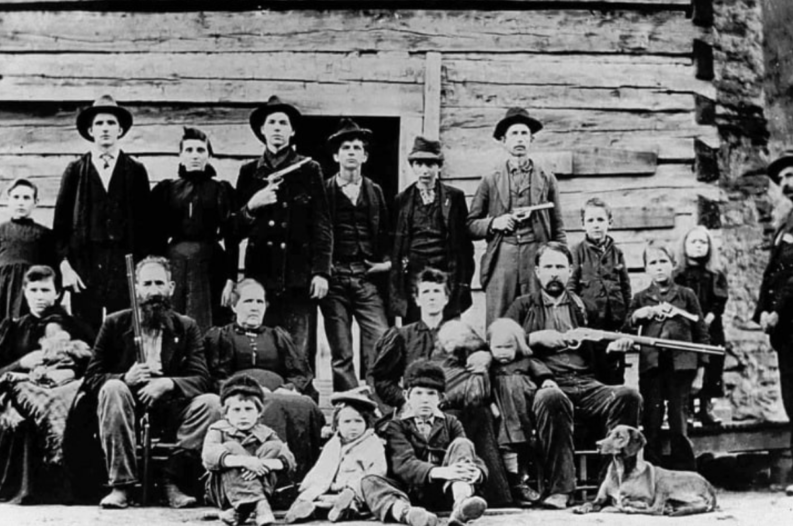
These tribes and their wars are not limited to religious strife, and also exist in societies we like to consider civilized. The clans of Scotland and rural England feuded for centuries and brought their feuding ways with them to American Appalachia. Remember the Hatfields and McCoys?

Continue reading