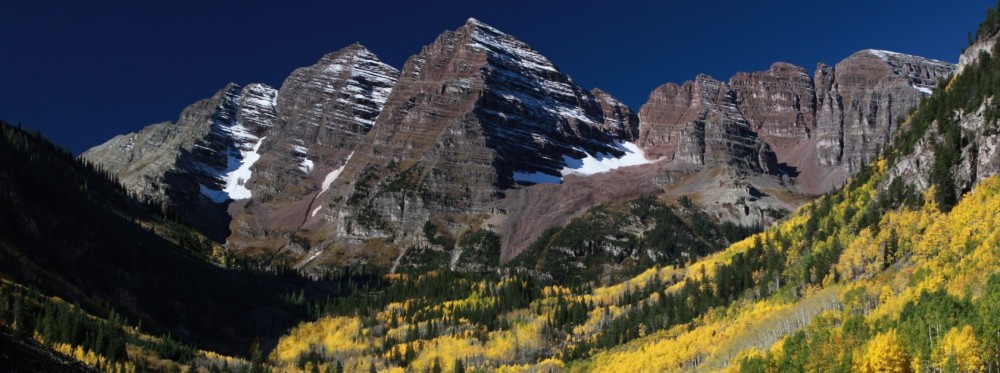
Colorado is a much different place from when I grew up in Colorado Springs in the 60s. That was before the Eisenhower Tunnel on I-70 was drilled under 11,990’ Loveland Pass. It was before the gondola at Aspen and it was before Snowmass was founded. Vail Pass was a treacherous gravel road, and the town of Vail did not exist.
It was wonderful.
Our family had one of those pop-up tent trailers and we went camping several times a year. Getting there was half the fun.
Our family of six would pile into the station wagon with the trailer in tow. My father would floor it, seeking momentum and speed – maybe 60-65 mph – to get a run at Ute Pass which was the two-lane road serving as the gateway from Colorado Springs into the Rocky Mountains. He’d invariably get slowed by a truck in front, curse, and we’d struggle up the pass at about 35 mph.
But we got there. “There” would be one of hundreds of campgrounds with spots for tents, trailers and tent-trailers like us. There were only a few RVs back in those days. They literally looked down on us from their perches high above the ground, but we figuratively looked down on them for not being real campers.
Only rich people stayed in motels. We weren’t rich.
I learned many years later that, unsurprisingly, my mother hated camping – for all the reasons that an 11-year-old boy loved it.
What’s not to love? Fishing with worms, walking and wandering, climbing trees, making forts, getting dirty, shooting imaginary Indians and, most importantly, camp fires!
It was wonderful.
This fun was limited to summertime, of course. Winter was too cold for even intrepid would-be mountaineers such as that 11-year-old boy.
Winter brought skiing, but it was an oddity. Skis were long and straight with “bear trap” cable contraptions for bindings. Boots were leather. Clothing, at least in my case, was an army surplus jacket, cotton jeans, a stocking cap and work gloves.
I once rode a two-person chairlift with a stranger. It moved excruciatingly slowly, as they all did in those days. As I shivered, the stranger scolded me, “Kid, you’re gonna shake us off the lift!”
Given the slowness of the lifts, you were lucky to get six or seven runs into a day. But the price of a daily lift ticket was commensurate – about six or seven dollars.
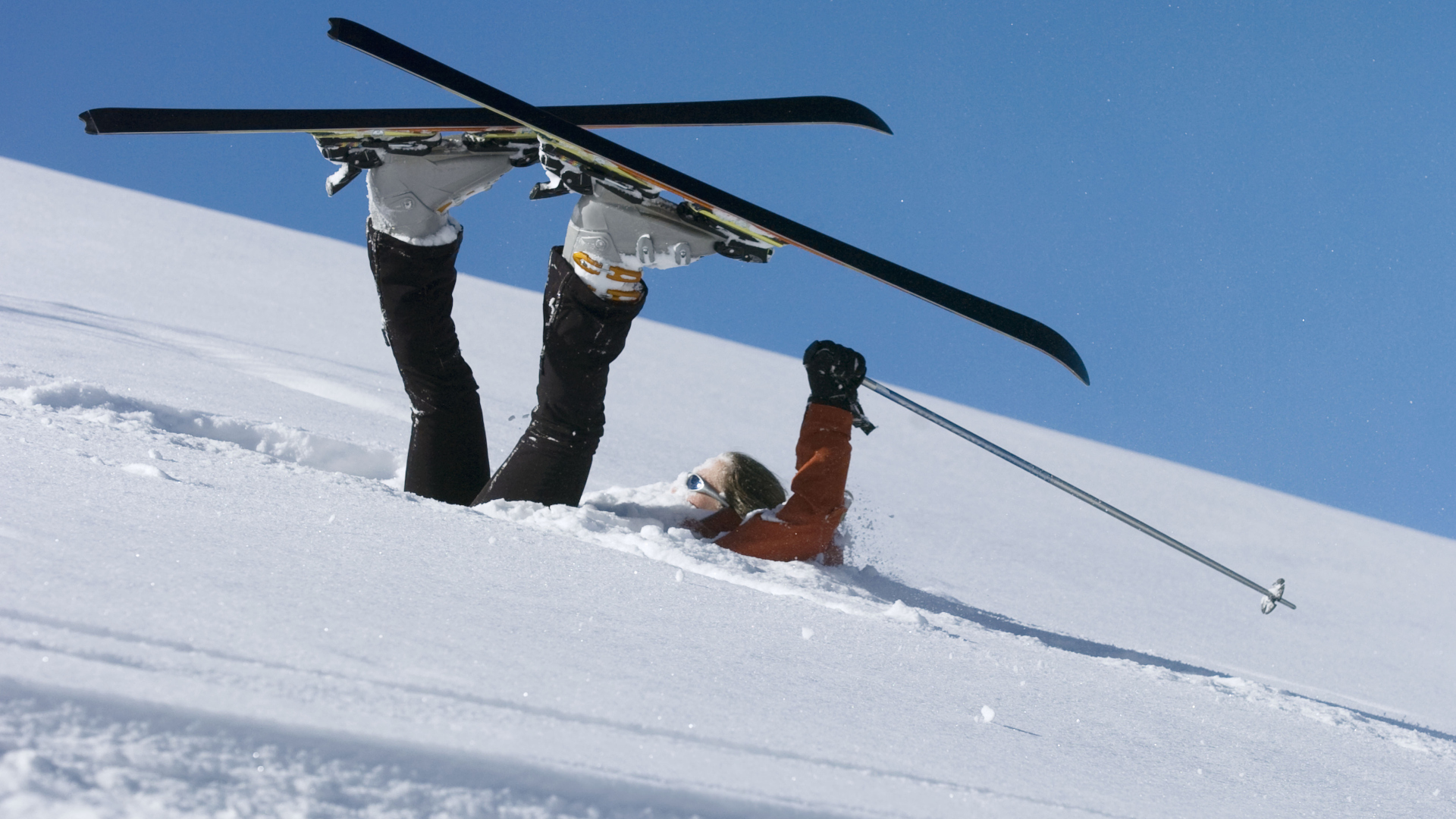
You had to be a good skier to get down the mountain in one piece. I wasn’t. I could guarantee a “yard sale” most days, where a wipeout would scatter over the slope my assorted apparel, skis, poles and boots (well, not the boots).
It was wonderful.
Things are different now. Skiing is big business, and lift tickets are upward of $250. Vail Resorts is a public company listed on the New York Stock Exchange. Slopes are finely groomed with both natural and man-made snow, and equipment is vastly improved, such that an ordinary Joe on his third day can ski easy slopes without falling down.
It’s terrible.
Traffic is horrendous. I-70 is jammed with stop-and-go traffic heading into the mountains on Friday afternoon and headed back to Denver on Sunday evening. A two-hour drive between Denver and Vail often takes four, and more if there’s an accident or snowstorm.
Which highlights the irony of skiing. For a real skier interested in challenging terrain, the snow is good only for a day or two after a storm. But that’s when the mountain roads are clogged with rental SUVs from Texas and California (don’t even get me started on the Australians) driven by so-called drivers who attempt to drive on snow only once a year when they come to ski Colorado.
When the snow is good, the driving is horrendous. And when the driving is good, the snow is horrendous.
Driving has been exceptionally good this winter. It’s no exaggeration to say that Colorado has had record-good driving this winter.
The only solution to this cruel paradox is to live at the ski resort. In Aspen, that’s perfectly doable for about $9 million for a three-bedroom condo. (It’s only about $6 million in Vail, but then you have to live in – ugh! – Vail.)
With that condo, you do get to live in Aspen (or – ugh! – Vail). That’s great if you like crowds (and, in the case of Vail, you like the interstate highway passing right through the center of town).
And it’s great if you like locals who despise you for having earned money as an investment banker in New York working 70-hour weeks while they were ski-bumming their youth away in Aspen (or dodging the interstate in – ugh! – Vail) while bitchin’ about the rich tourists who hire them for ski lessons at $1,500/day, plus tip.
This devolution of the State of Colorado has coincided with the state’s legalization of pot and the color shift from a red state to a blue state, but that’s a story for another day.
OK, enough snark. My point is, skiing brought boatloads, planeloads and shitloads (well, OK, maybe a little more snark) of people to the Colorado mountains. I miss the Colorado of my boyhood.
But there’s hope. Skiing may be dying. As I hinted, snow conditions this year are really terrible. The snowpack on top of Vail (ugh!) Pass when I drove over it last week was about 4 inches. As my hero Dave Barry might say, I’m not making that up. There’s less snow than I’ve ever seen for this time of year, and very little in the upcoming forecast.
And this isn’t just a one-year drought. I’m pleased to report that the stock price of Vail (ugh!) Resorts, Inc. is down 64% from its peak some four years ago as the recreational tastes of the baby boomer generation ages from downhill skiing at high altitude into flat ocean cruises at, as you might expect, sea level.
I’m praying that this season of good driving continues next winter, and the winter after that. With three consecutive good-driving winters and the continued aging of the Boomers, we just might reclaim Colorado for 11-year-old boys, of all ages.
 the Aspen beat